

Lesson
The Escalation of Gambling Behavior
Explore how brain chemistry is connected to the escalation of our gambling behavior.

The Escalation of Gambling Behavior
Today we’re going to explore how an increase in our need to gamble can be tied to a tolerance in dopamine. Understanding the connection between our behavior and the dopamine response will shine some light on why habitual gambling can lead to addiction.
In this lesson we’re going to focus on why it feels like you need to gamble more to get the same jolt or buzz.
Gambling and Dopamine
Let’s start by defining two key terms so we’re on the same page:
Escalation of gambling behavior = gambling more frequently with more money over time.
Dopamine tolerance = needing a stronger release of dopamine to feel the same level high/good feeling.
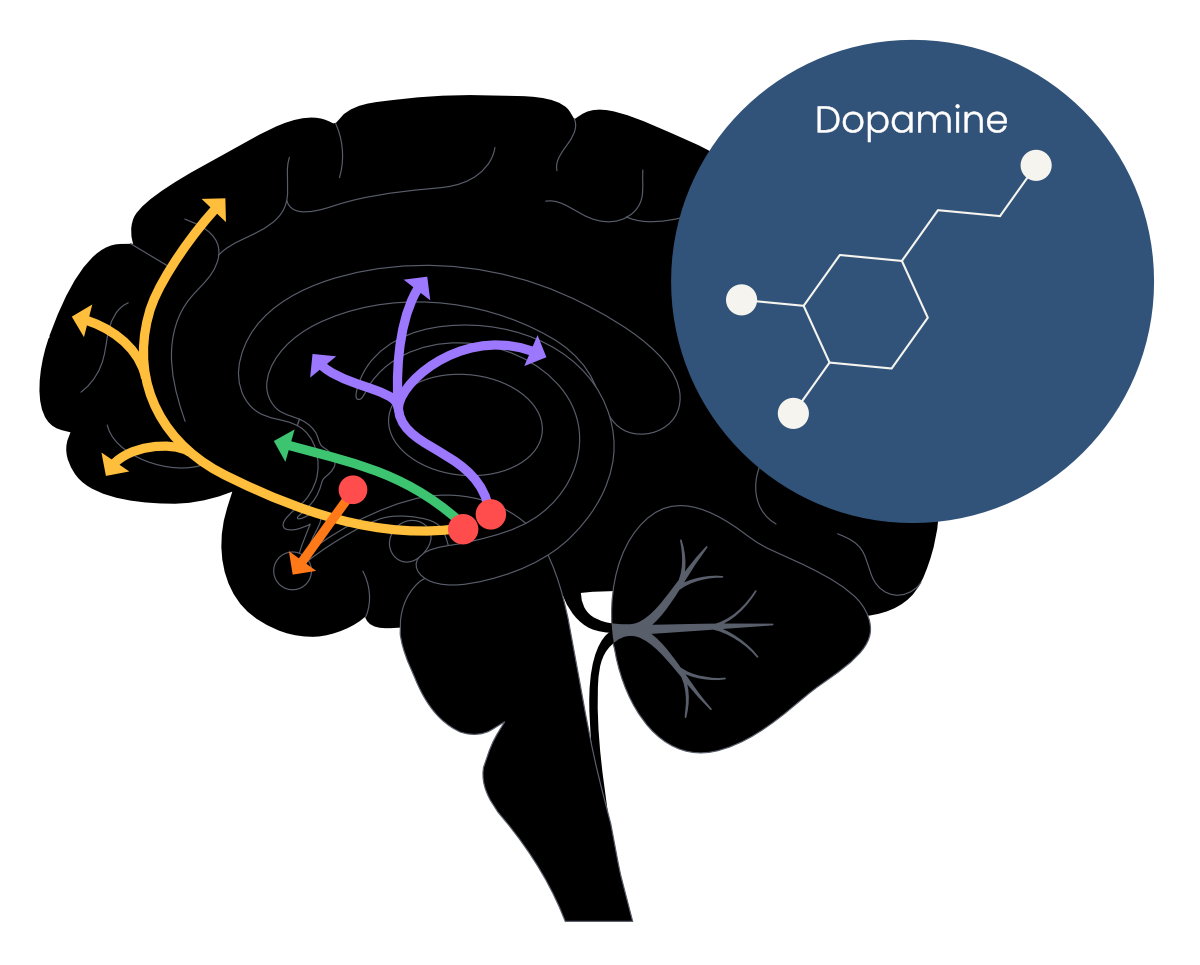
As a reminder, dopamine is a neurotransmitter that is often referred to as the “Happiness Chemical” It is released in our brains and gives us a pleasurable feeling in response to external stimuli. It also tells us that we should keep pursuing more of whatever we’ve perceived as pleasurable. It is the key ingredient in our brains connecting gambling with feelings of excitement, happiness, and thrill.
 There are many influences that could impact the escalation of gambling behavior.
Maybe you met some new friends and they live and breathe fantasy sports. This leads you to begin spending increasing amounts of time researching players, teams, history, weather reports and anything else that might give you an edge. Maybe you’re under more stress than usual and you begin to gamble more frequently as a distraction or escape. Or, maybe you recently won a big bet at the casino and you’re trying to find that same thrill again.
These are just a few examples of how we might slip into unsafe territory as it relates to our gambling behavior.
No matter what influenced you to gamble more, something happens in your brain. As your gambling habits escalate, your brain will continue to release dopamine. Over time, you develop a tolerance to the effects of that dopamine.
The same tolerance can build with alcohol or other substances. This tolerance process can lead us to go from a healthy relationship with gambling to an unhealthy relationship.

Unhealthy Gambling
An unhealthy relationship looks different for everyone, but could include:
You spend more money than is responsible
For example, you stop saving, you spend money that is needed for bills, you dip into your retirement or college funds.
You spend increasingly more time gambling
You begin to spend less time with friends and family, you skip work or class, you find ways to sleep less to gamble more.
You chase your losses
This is when you keep betting in order to “win back” what you’ve lost.
You hide your losses
You keep how much you spend or lose secret, or you feel shame about the amount you’ve lost.
These are just a few ways unhealthy gambling habits may present themselves.
The important thing to know is that a big part of why you are gambling more is a chemical brain process. This is important for two reasons:
This can help you overcome the stigma and shame that comes with viewing your escalating gambling behavior as a moral failing, or a weakness of will.
As with other chemicals in your brain, it's possible to reset your tolerance to dopamine, and feel better.
If you want to kickstart the reset of your dopamine tolerance, here are a few tips:
Exercise
Getting your body moving is a great way to increase your brain health.
Sleep
Ensure you’re getting a healthy amount of sleep on a regular schedule. Try to get to bed at the same time each night if possible.
Eat Healthy
Make sure your diet is well rounded with plenty of fruits, veggies and protein. Try to minimize the amount of processed foods and sugars you eat.
Have Fun
Schedule activities, other than gambling, that you enjoy. Take a hike, play some music or get coffee with friends.

Let's Reflect
Think of a time period in which your gambling habits significantly escalated. What happened? How did they escalate?
What are 1 or 2 things you can do to begin to reset, or safeguard, your dopamine tolerance?

Closing Thought
Recognizing how quickly gambling behavior can escalate is crucial for the journey toward lasting change.
Understanding the progression from occasional gambling to compulsive behavior empowers you to make informed decisions and stay vigilant in maintaining your goals.
It can also help dispel the myth that you are morally weak or flawed. You are not!